
PCB Quality Standards Explained
IPC Classes and Testing Methods
(Engineer’s Guide for Fabrication & Assembly Buyers)
This guide explains:
- What IPC Classes mean
- How they affect fabrication and cost
- What testing methods validate compliance
- What testing methods validate compliance
- When to specify Class 2 vs Class 3
1️ What Are IPC Standards?
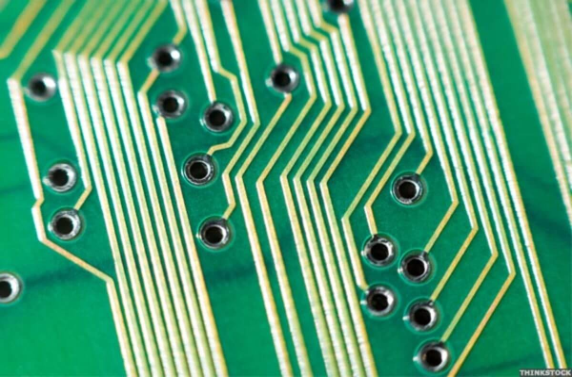
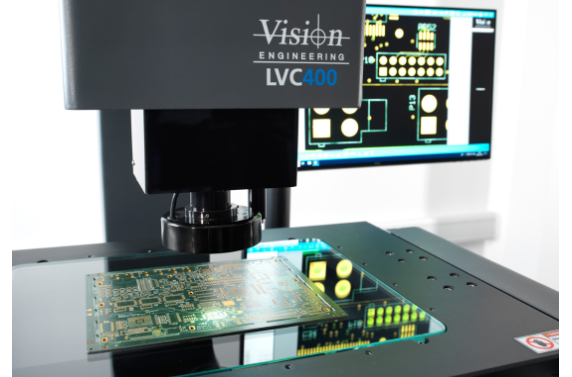
- IPC standards define minimum acceptability criteria for printed circuit boards and assemblies.
- The most relevant PCB fabrication standards:
- IPC-6012 (Rigid PCBs)
- IPC-A-600 (Acceptability of Printed Boards)
- IPC-6013 (Flexible PCBs)
- IPC-A-610 (Assembly acceptability)
- IPC-A-610 (Assembly acceptability)
They define:
- Copper thickness
- Hole wall plating
- Annular ring requirements
- Soldermask quality
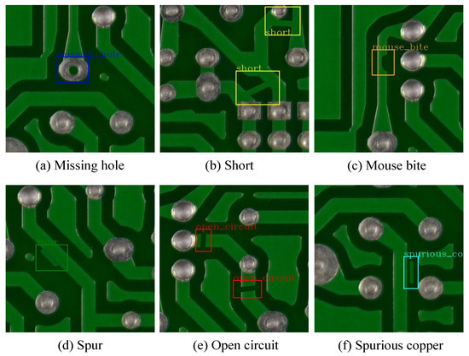
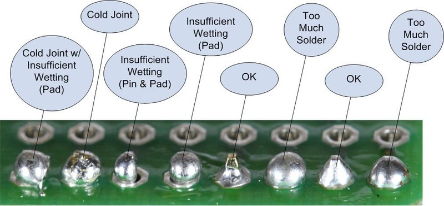
- Defect acceptance limits
2️ IPC Classes Explained
- There are three IPC product classes.
Class 1 – General Electronic Products
Intended For:
- Consumer electronics
- Toys
- Disposable or low-cost items
Requirements:
- Cosmetic defects more acceptable
- Lower reliability expectations
- Minimal performance margin
Cost Impact:
- Lowest manufacturing cost.
- Rare in industrial or commercial B2B products.
Class 2 – Dedicated Service Electronics
Intended For:
- Industrial controls
- Telecom
- Commercial equipment
- Automotive (non-safety critical)
Requirements:
- Reliable performance
- Longer service life
- Moderate environmental tolerance
Cost Impact:
- Standard commercial level.
- Most industrial electronics use Class 2.
Class 3 – High Reliability Electronics
Intended For:
- Aerospace
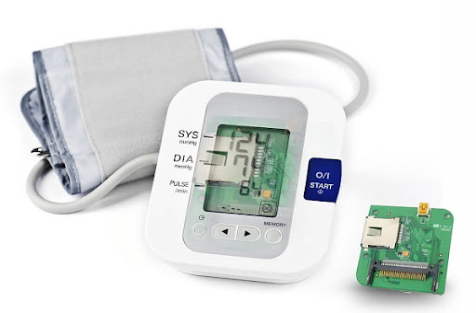
- Medical life-support
- Military
- Safety-critical systems
Requirements:
- Maximum reliability
- Tight defect tolerances
- Higher copper plating thickness
- Strict inspection criteria
Cost Impact:
- 15–40% higher depending on board complexity.
- Use only when reliability risk justifies it.
3️ Key Technical Differences Between Class 2 and Class 3
| Feature | Class 2 | Class 3 |
|---|---|---|
| Hole Wall Copper | Lower minimum | Higher minimum |
| Annular Ring | Standard | Larger required |
| Void Tolerance | Moderate | Very limited |
| Cosmetic Defects | Some allowed | Very limited |
| Inspection Level | Standard | Enhanced |
| Class 3 tightens both dimensional and defect acceptance limits. | ||
4️ Common PCB Testing Methods
Electrical Test (E-Test)
- High-temperature polymer substrate used in flex and rigid-flex PCBs.
Purpose:
- Detect opens and shorts.
Methods:
- Flying probe (prototype)
- Bed-of-nails fixture (volume)
- Mandatory unless explicitly waived.
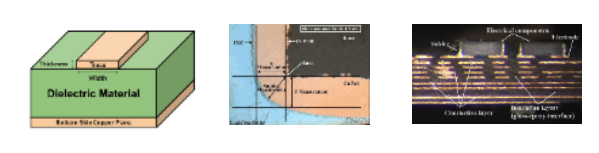
Microsection Analysis
Purpose:
- Inspect internal structure:
- Hole wall plating thickness
- Layer registration
- Resin fill quality
- Voids and cracks
- Required for Class 3 builds.
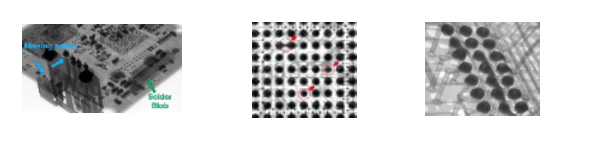
X-Ray Inspection
Purpose:
- Inspect buried/blind vias
- Verify via fill
- Check HDI integrity
- Used for high-density or complex stackups.
Ionic Contamination Testing
Purpose:
- Measure residual ionic contamination.
- High contamination can cause:
- Dendritic growth
- Electrical leakage
- Corrosion
- Commonly used for high-reliability and military programs.
Thermal Stress Testing
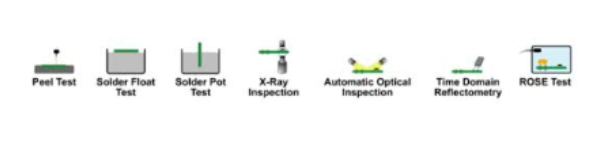
Purpose:
- Validate plating and structural integrity under heat cycling.
- More common in:
- Class 3
- Harsh environment applications
5️ When to Specify Each IPC Class
Choose Class 2 if:
- Industrial equipment
- Commercial electronics
- Non-life-critical systems
- Cost-sensitive but reliable product
Choose Class 3 if:
- Failure could cause injury or mission failure
- Aerospace or medical life support
- Extreme environmental stress
- Avoid specifying Class 3 “just to be safe.”
- It increases cost and inspection time.
6️ Common Customer Mistakes
Calling out Class 3 without justification
- Calling out Class 3 without justification
- Not specifying IPC class at all
- Mixing Class 2 fab with Class 3 assembly
- Requesting unnecessary enhanced testing
- Assuming all shops build Class 3 by default
- Always state IPC class clearly in fabrication notes.
7️ Cost & Lead Time Impact
| Requirement | Cost Impact | Lead Time Impact |
|---|---|---|
| Class 2 | Standard | Standard |
| Class 3 | High | Moderate |
| Microsection per lot | Moderate | Low |
| HDI X-ray | Moderate | Moderate |
| Extra electrical test | Low | Low |
Practical Engineering Guidance
Most industrial products should use:
IPC-6012 Class 2
Electrical test required
Microsection per lot
Cleanliness testing if high reliability
Reserve Class 3 for products where failure is unacceptable.
Bottom Line
IPC standards define acceptability — not perfection.
Higher class:
Tightens defect limits
Increases inspection intensity
Raises cost
May increase lead time
The correct class is determined by risk tolerance and application — not preference.